Cassette culture and care
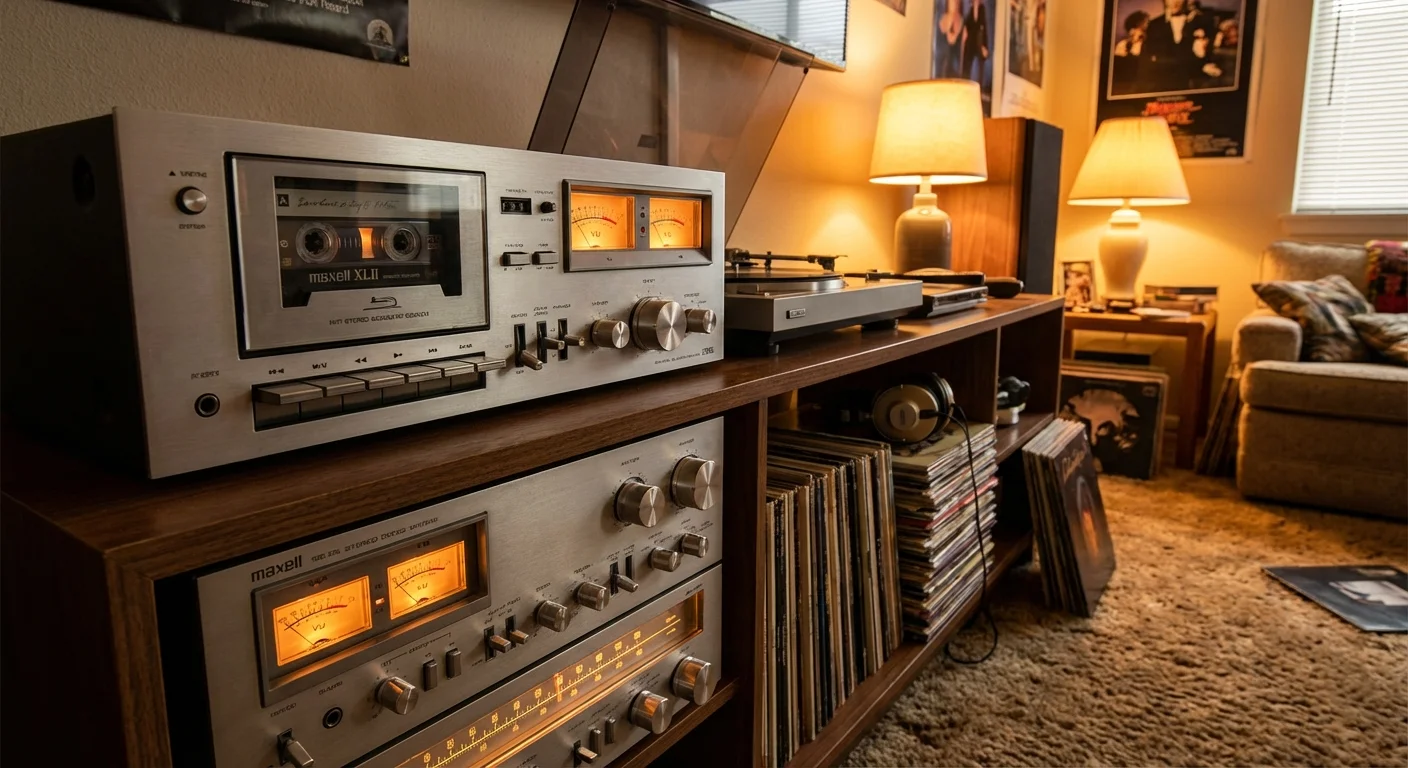
A recording has a physical and a personal history
A cassette can carry music, a conversation or a sequence somebody chose for another listener. The shell, case and handwritten insert may preserve part of that story, but they do not necessarily prove everything recorded on the tape. Keep the wording on a label separate from a memory of when it was made and from information that has actually been verified. A useful collection note can be honest about gaps without losing the personal significance of the object.
Listen to the equipment instructions as well
A portable player, a recording deck and an unfamiliar used machine have different controls and requirements. Read the exact model instructions for supported cassette types, connections and normal user maintenance. Do not treat every solvent or cleaning tool as suitable for every head, roller or plastic part. If a machine is damaged, has an unsafe cable or behaves abnormally, stop and obtain appropriate help. A valuable or unknown recording should not become the test tape for equipment whose condition has not been established.
Keep the case and a readable inventory together
Give a tape a simple identifier and record the visible label, any supplied case or insert and where it is stored. Mark a guess as a guess rather than rewriting it as a certain date or author. Avoid sticking material onto the playing surface or pulling tape out to inspect it. Photographs of the outside can help link a note to the object without requiring a playback attempt. A digital list is useful when it points back to the actual tape and preserves who supplied the information.
Read preservation advice within its scope
The US National Archives describes stable storage, protection from water and sunlight, and storing magnetic tapes upright in their boxes. A home collection also has practical limits, and one web page does not certify a particular room or container. The National Park Service's older magnetic-media overview provides archival background, not a current repair recipe for every cassette. Do not borrow a specialist treatment, a winding procedure or a numerical setting without the necessary context and expertise.
A mixtape can be remembered without an invented testimonial
The order of tracks, a pause between recordings or an insert may be part of the memory attached to a cassette. Write what is known about that context and distinguish your own interpretation from another person's account. Ask before publishing a private recording or somebody else's story, and check the permissions relevant to what you intend to share. Our illustrative photographs do not document a tested player, a serviced deck or an interview with an unnamed collector. Cultural interest and careful records can coexist without a made-up rating or quotation.