Cassette House
Keep the recording, and keep its context.
Why keep the tape?
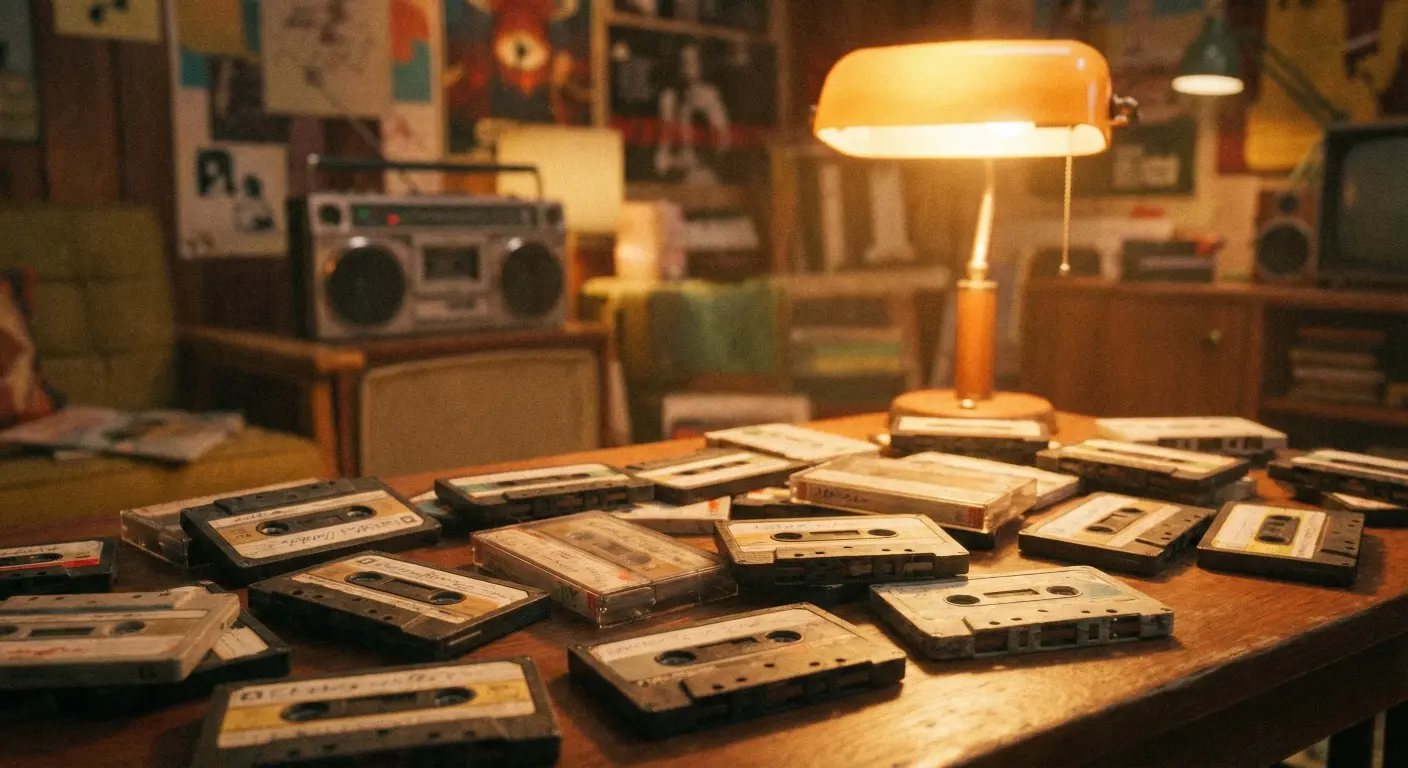
A cassette can hold a sequence of music, a conversation or a memory of somebody who made a recording. Its case and label may be part of that history, but they do not prove everything inside. Keeping the object and its context together makes a collection easier to understand.
Listening preferences are personal. Describing the ritual of turning a cassette over does not establish a measured advantage over another format. Start with the story you know, the equipment you actually have and the condition of the recording you want to keep.
Two ways into the story
Portable listening
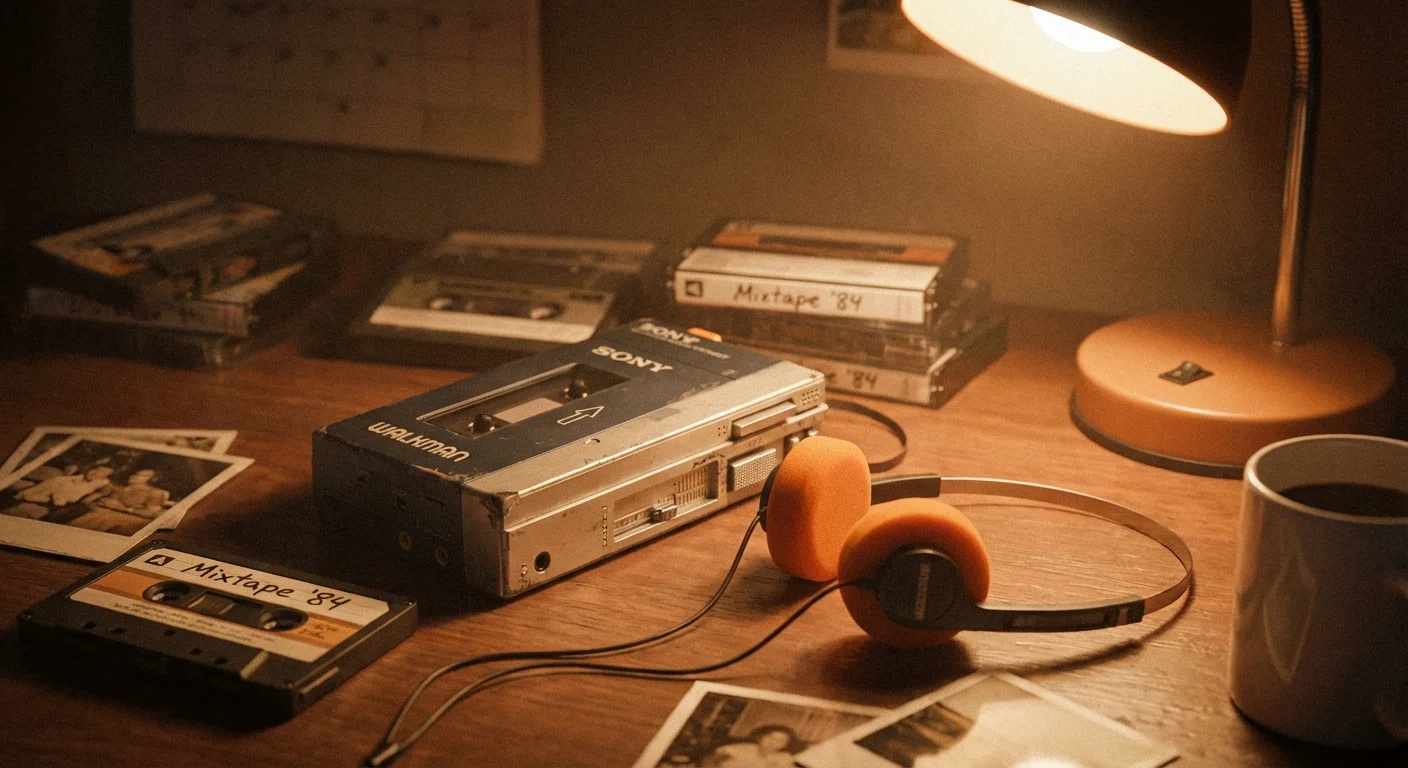
A portable player puts a recording into an everyday setting: a place, a route and a moment somebody remembers. Keep that memory separate from an equipment specification or a claim that one format is best. Read the instructions for the actual player and preserve the conditions of any comparison.
A sequence with a story
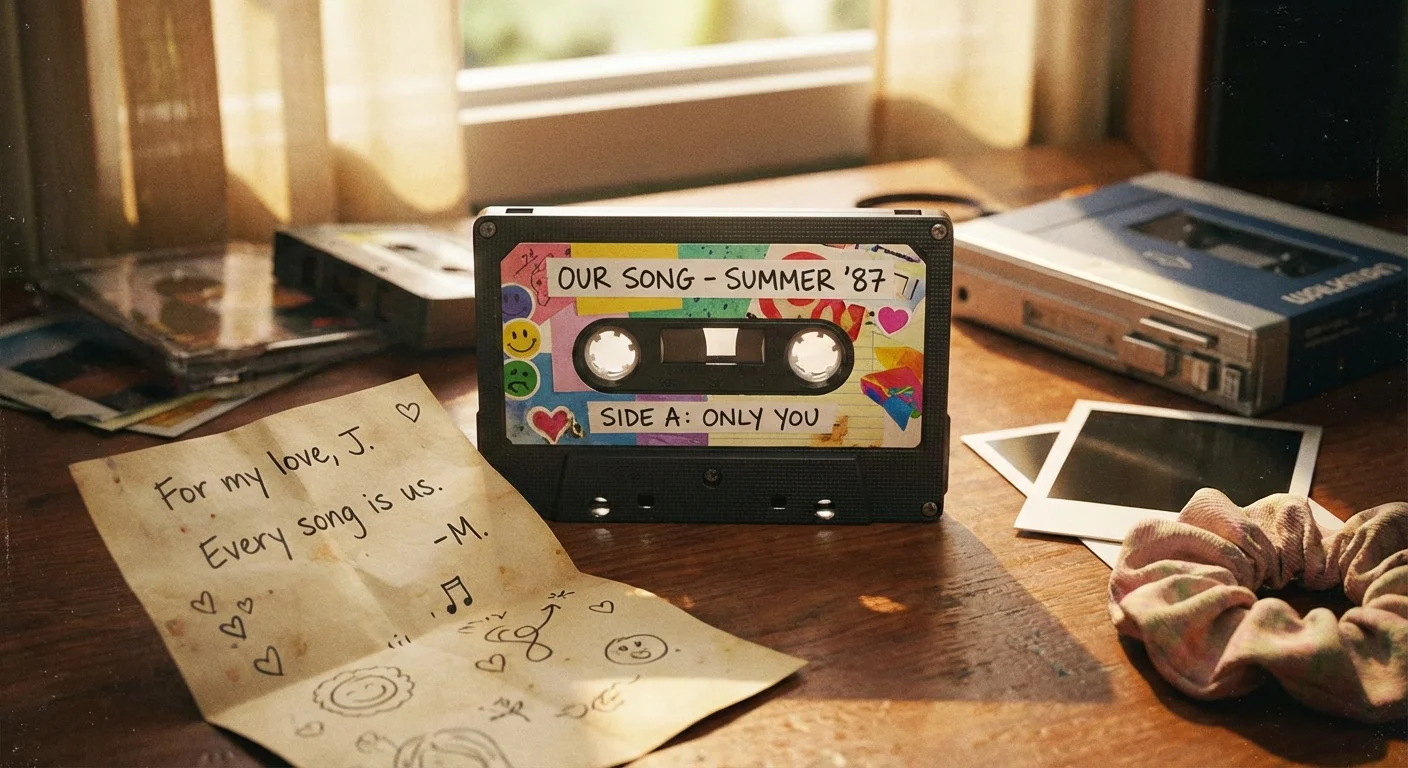
A cassette can retain the order of a selection and the words somebody put on the insert. Record what is visible and who supplied the story. A remembered track list is not automatically a verified account of the contents, and a private recording is not automatically material to publish.
A starting point for the collection
Read the label carefully
Record the wording without turning it into a certain date, author or catalogue entry. Keep guesses and verified information apart.
Check the actual equipment
Use the model instructions and suitable assistance. Do not make an important recording the test tape for an unverified player.
Keep a stable home for the collection
Use appropriate cases and practical storage that avoids water, direct heat and other hazards. Read preservation guidance within its stated scope.
A recording, a label and a memory can belong together without being the same kind of evidence.
An editorial note from Cassette House
Before pressing play
Does the label prove the contents?
No. Record the label as visible information and keep a recollection or a verified contents note separate. An unclear tape does not need a made-up title to be worth keeping.
Should a valuable tape test an unfamiliar player?
No. Establish the equipment and the recording's condition first. Important, damaged or contaminated material may need specialist assessment rather than an exploratory playback.
Keep a useful collection note
Read the cultural and care guide, then ask a specific question with the context that is actually known.
Read the cassette guide