About Cassette House
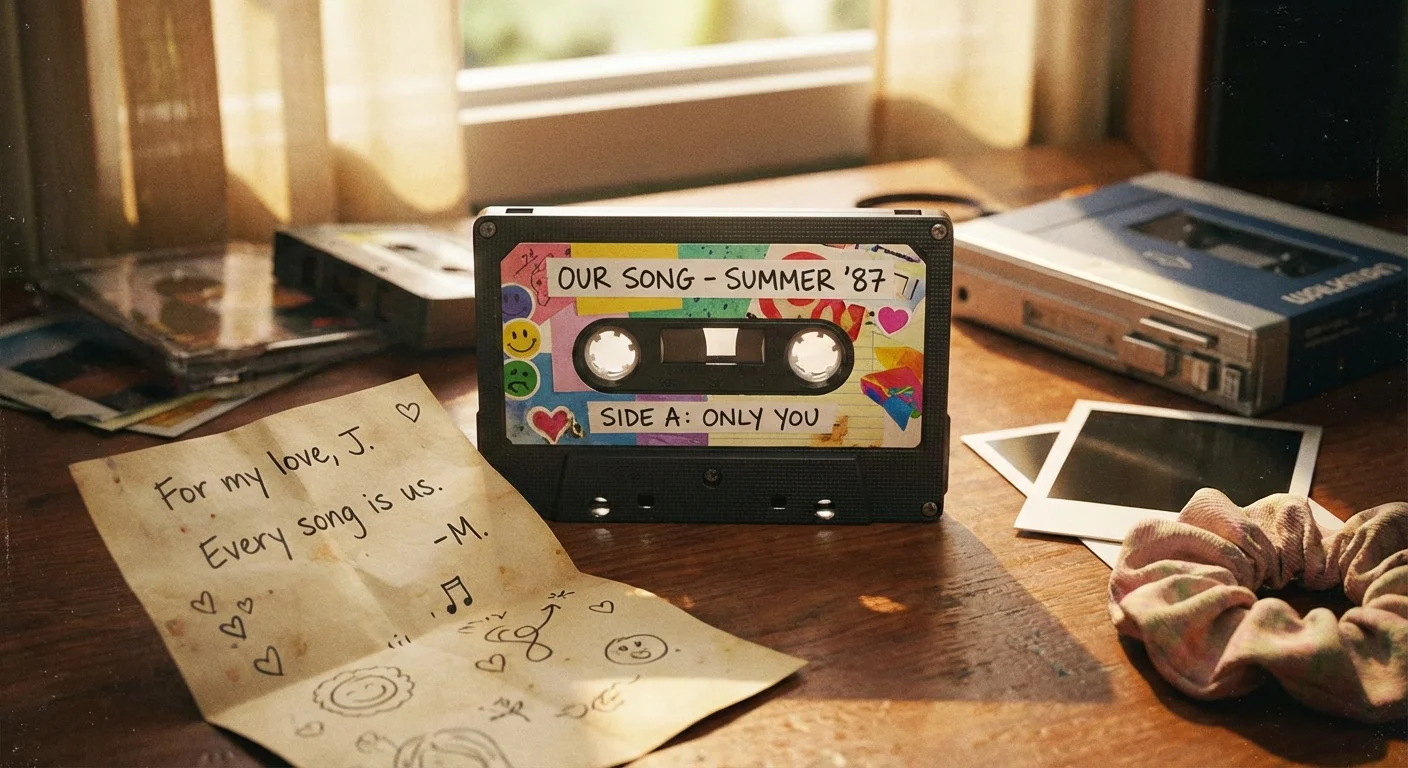
A place for the recording and the story around it
Cassette House is an English guide to cassette culture, collecting and listening. A physical recording can connect a device, a sequence of sounds and a personal memory, but those pieces of information have different roles. We help readers keep the context rather than assume that a label proves the contents or that a nostalgic preference is a measurement. The guide is for people organising recordings, learning about their equipment and asking better questions about a collection.
Sources are used for what they explain
Preservation guidance describes handling and storage principles. Equipment manuals describe the actual model. A personal account records a person's memory. We keep those roles distinct and do not invent laboratory tests, restoration work or endorsements. Historical documents are identified as background rather than treated as an up-to-date procedure for every tape. A source does not certify an unexamined object merely because it is linked beside a paragraph. Our photographs illustrate the subject and do not prove the condition of a particular collection.
Know when a question needs a specialist
A tape that is valuable, damaged, contaminated or the only copy of an important recording may need assessment before use. This site does not prescribe a home treatment or instruct readers to open mains-powered equipment. Keep the object and what is known about it together, note the concern and seek suitable preservation or service advice. A digital copy, where appropriately made, is also a separate record with its own identification and storage needs rather than an automatic guarantee that the original has been preserved.
Questions, corrections and private material
Use the contact form to identify a page, a statement and a public reference when available. An equipment model or a non-sensitive description of the issue can help without sending a private recording. We welcome corrections to terminology, source scope and the distinction between an observed fact and a recollection. Reply contact details are used for correspondence and are not published. We do not need account credentials or personal audio files to understand a basic editorial correction.